Schaeffler and NEURA: Transforming Industrial Robotics
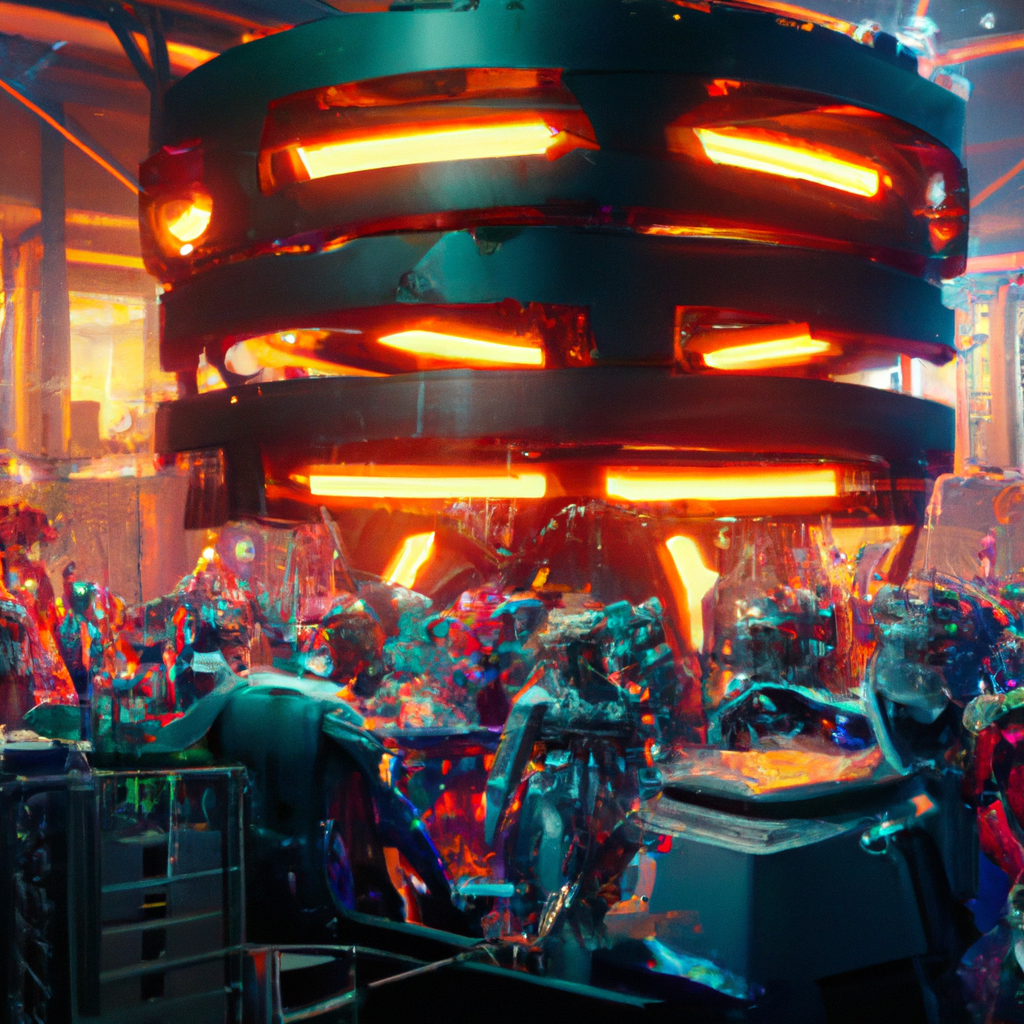
Schaeffler and NEURA Robotics: Pioneering the Future of Industrial Automation
In a world where innovation is the heartbeat of progress, Schaeffler and NEURA Robotics have embarked on a groundbreaking journey to redefine industrial manufacturing. Their strategic alliance aims to scale up the production of NEURA's humanoid robots, known as the NE, and deploy them across Schaeffler's global plants. This ambitious endeavor not only promises to enhance operational efficiency but also highlights the transformative potential of artificial intelligence in the manufacturing sector.
A Vision for the Future
The collaboration between Schaeffler, a leader in industrial technology, and NEURA Robotics, a pioneer in physical AI, is set against a backdrop of evolving industrial needs. By leveraging NEURA's Neuraverse—a sophisticated ecosystem designed for on-site learning and adaptation—the partnership aims to incorporate a significant number of humanoid robots into manufacturing processes by 2025.
Key Highlights of the Alliance:
- Production Target: A staggering 1 million humanoid robots are set to be manufactured by 2025, marking a significant leap in industrial automation.
- Primary Focus: The deployment will center around industrial manufacturing applications, where operational prowess and precision are paramount.
- Factory Integration: The plan emphasizes the seamless integration of NEURA's humanoid robots within existing factory setups, enhancing productivity and streamlining operations.
The Impact of NEURA's Physical AI
At the heart of this collaboration lies NEURA's innovative approach to AI. The Neuraverse enables robots to learn from their environment, adapt to new tasks, and improve their performance on the fly. This not only reduces downtime but also allows for more flexible production lines capable of responding to changing demands.
Benefits of the NEURA Humanoids in Manufacturing:
- Enhanced Efficiency: With their ability to perform repetitive tasks with high precision, humanoid robots will significantly reduce production time and costs.
- Workforce Augmentation: These robots will work alongside human employees, taking on labor-intensive tasks and allowing humans to focus on more complex problem-solving and innovation.
- Customization and Scalability: The adaptability of the robots means they can be customized for various manufacturing scenarios, making them a scalable solution for businesses of all sizes.
Looking Ahead
The strategic alliance between Schaeffler and NEURA Robotics represents a pivotal moment in industrial automation. As the production of humanoid robots ramps up, the implications for manufacturing efficiency, workforce dynamics, and operational flexibility are profound.
By 2025, we can expect to see a significant transformation in how factories operate, driven by the integration of advanced robotics and AI technologies. The future of industrial manufacturing is not just about machines; it’s about creating a collaborative ecosystem where humans and robots work in harmony to achieve unprecedented levels of productivity and innovation.
As this partnership unfolds, it will undoubtedly set a benchmark for future advancements in the realm of industrial automation, paving the way for a smarter, more efficient manufacturing landscape.


Comments
Post a Comment